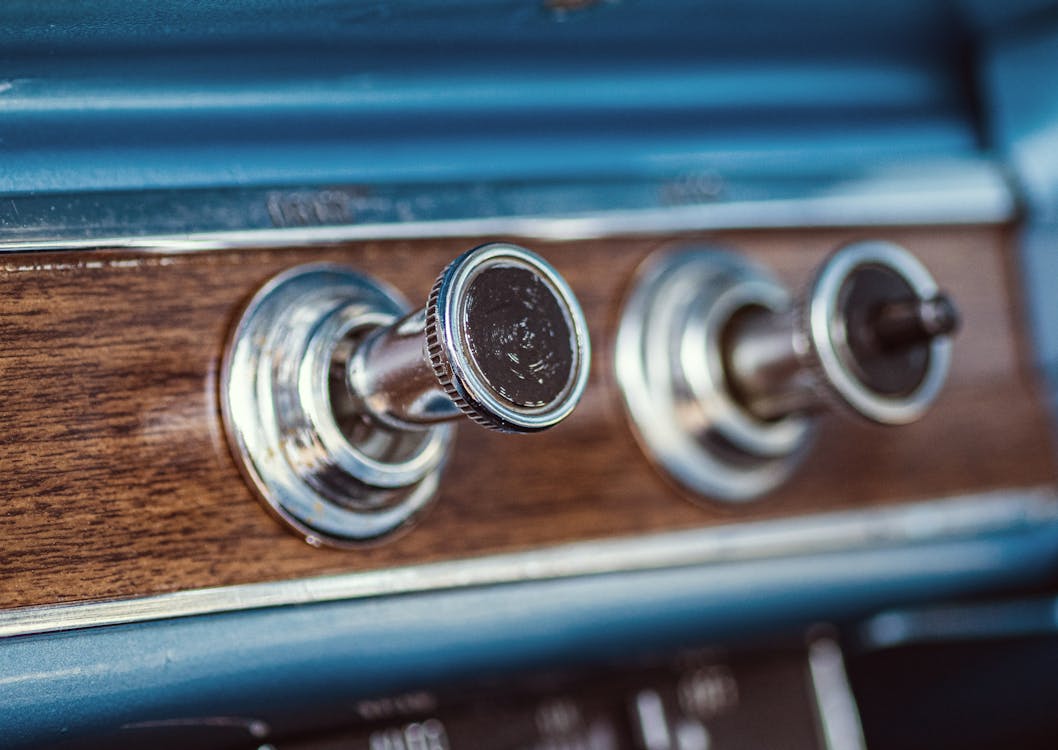
For the past years, automobile interiors have actually been swiftly progressing toward streamlined, screen-dominated control panels. Touchscreens changed standard knobs, sliders, and switches in what numerous thought was the inescapable march of progress. Yet, in an unanticipated twist, physical switches are silently making their way back right into modern automobiles. The change signals more than simply a nostalgic nod-- it's an action to real-world comments from drivers food craving simplicity, security, and responsive complete satisfaction.
The Digital Overload Dilemma
When touchscreens initially started taking over dashboards, they seemed like the future: tidy, customizable, and loaded with functions. They got rid of mess and permitted car manufacturers to simplify their insides with less physical components. But as more functions were buried within digital menus, motorists started to articulate problems.
Touchscreens often require several steps to carry out basic tasks like adjusting the climate or changing the radio station. Unlike switches, they do not have the instinctive muscular tissue memory that allows a chauffeur to change a setting without taking their eyes off the roadway. With a lot occurring on-screen, it ends up being all as well easy to get sidetracked-- something nobody wants when traveling at freeway rates.
The Return of Tactile Functionality
One of the most significant benefits of switches is their tactile feedback. You can feel them without requiring to look. This sensory reinforcement makes them not just hassle-free however safer for drivers. When your hand intuitively understands where the volume handle is or exactly how far to press a button to turn on the defrost, it minimizes the need to look down or away from the roadway. And while touchscreens use comfort for infomercial and navigation, the crucial day-to-day functions-- like danger lights, audio controls, and HVAC-- feel far better fit to physical controls.
In fact, lots of chauffeurs that previously spoke highly of electronic systems have shared gratitude for more recent versions that blend modern-day aesthetic appeals with the practical feel of typical controls. It's not about turning down innovation-- it's concerning enhancing functionality.
A Balanced Design Philosophy
Developers have taken notice of this shifting belief. Rather than deserting displays, they're reconsidering how they're integrated. The very best insides currently strike an equilibrium in between electronic adaptability and analog precision. That implies tactically positioning switches for essential functions while using digital interfaces for apps, navigation, and media.
This hybrid method is specifically prominent in automobiles created for long-distance driving or family members. The simplicity of pushing a button without stumbling through a menu makes a big distinction when you're attempting to stay focused, you can try here comfy, and secure. Also in automobiles understood for advanced tech, a straightforward rotating dial or tactile control can be the feature that gains vehicle drivers trying to find thoughtful design.
Buttons and the Emotional Connection
There's additionally something distinctly emotional concerning switches. They bring a specific degree of interaction that touchscreens just do not duplicate. Pressing a switch or turning a dial feels like you're literally communicating with your vehicle-- it includes a layer of link that makes the driving experience a lot more pleasurable.
For those considering used Chevy cars, lorries from recent years usually provide the most effective of both globes: responsive touch interfaces coupled with timeless physical controls. These versions bridge the gap between development and knowledge, making them perfect for motorists that value modern features without compromising simplicity of use.
Modern Technology Isn't Just About Screens
It's easy to conflate technology with screens, however true advancement indicates boosting the driver experience. In this light, switches are a form of smart design. They're fast, accurate, and do not require focus. As auto layout comes to be significantly driver-centric, ease and intuition take spotlight.
This likewise connections directly right into the resale and trade-in worth of lorries. Autos that focus on easy to use functions have a tendency to age far better in the eyes of future customers. If you're thinking about a Chevrolet trade in, understanding that your current lorry provides a thoughtfully created interior, total with easily available controls, can have a favorable influence.
The Future Is Functional
As cars and truck suppliers re-evaluate the duty of interfaces in the cabin, they're directed by driver responses and real-world functionality research studies. The renewal of switches does not signal a go back to the past-- it's a progression in thoughtful, user-first design. It recognizes that progression doesn't always suggest eliminating the old however incorporating it in such a way that makes driving safer, easier, and extra enjoyable.
If you're in the market and checking out Chevy new car deals, watch on just how various designs manage their interior controls. It's not practically the touchscreen size-- it's about how the vehicle helps you remain concentrated on the roadway while making your everyday commute much more user-friendly. Buttons might not be the flashiest feature, yet they're promptly turning into one of one of the most appreciated.
For even more understandings into automobile trends, interior decoration technologies, and wise automobile shopping tips, make certain to inspect back on a regular basis. We're always updating the blog site with fresh ideas to aid you browse the road in advance.